
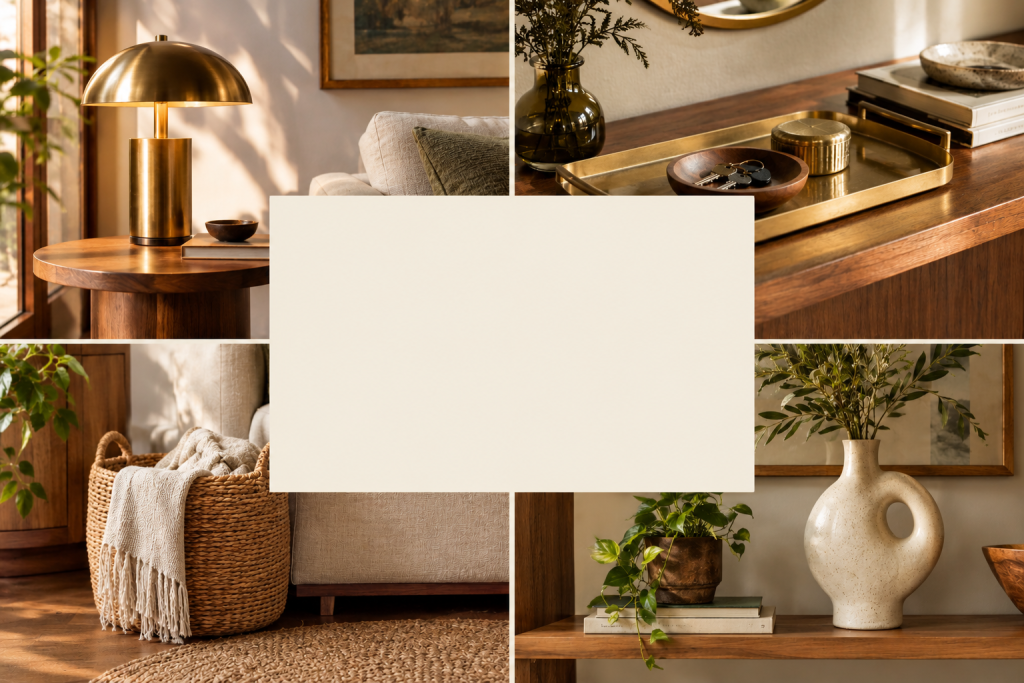
A beautiful home is not only about furniture, colors, or the arrangement of a room. It is also about the objects that give a space character. A distinctive lamp, a handcrafted metal sculpture, or a decorative object with an unusual shape can transform an ordinary interior into a more personal and memorable space.
Today, many people look beyond basic function when choosing products for their homes. They want items that suit their needs while expressing their taste and personality. This creates an opportunity for artistic interior products—pieces that combine practical use with thoughtful design and creative craftsmanship.
Although no product is guaranteed to sell, interior products with artistic value can stand out when they offer quality, originality, and a clear reason for buyers to appreciate them.
What Makes an Interior Product Artistic?
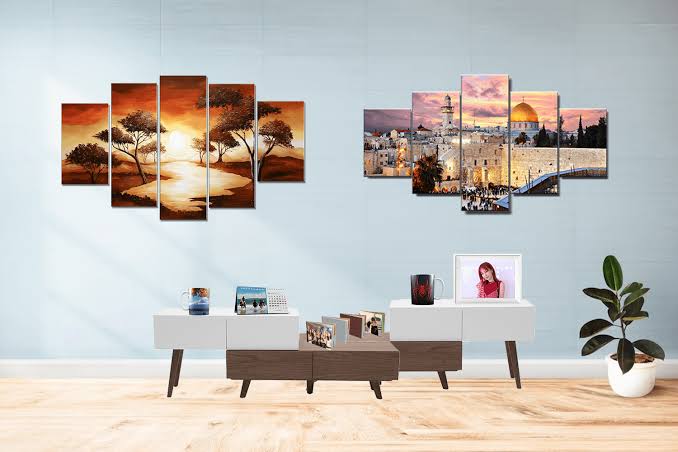
An artistic interior product offers more than a practical function. Its shape, material, texture, and details contribute to the overall experience of a room.
Consider a lamp. Its primary purpose is to provide light, but its design can also become a focal point. A sculptural base, a carefully shaped shade, or a handcrafted metal finish can make the lamp attractive even when it is switched off.
The same idea applies to wall decorations, mirrors, sculptures, furniture, and other home accessories. Their artistic value comes from the way design and function work together.
When a product has a distinctive appearance and thoughtful details, it gives buyers something more meaningful than an ordinary household item.
Why Unique Designs Attract Buyers
Many homes contain similar furniture and mass-produced decorations. While these products can be practical and affordable, some buyers want something that feels more personal.
Unique interior products help them create spaces that reflect their individual style. A handmade lamp can add warmth to a reading corner, while a metal artwork can introduce contrast and character to a plain wall.
Original designs can also become conversation pieces. Guests may notice an unusual shape, an interesting texture, or the craftsmanship behind an object. This gives the product a role beyond its everyday use.
However, uniqueness does not mean that a product must look unusual simply for the sake of being different. A successful design should still feel suitable for real homes and complement the spaces where people intend to place it.
Craftsmanship Adds Perceived Value
The way a product is made can influence how people perceive it. Handcrafted items often reveal the maker’s attention through their details, finishes, and material choices.
In metalworking, for example, shaping, hammering, engraving, and finishing can give a product its own visual identity. These processes require skill and care, especially when the maker wants to achieve a consistent and attractive result.
Brass and other metals can be particularly appealing in interior design because they introduce texture, structure, and distinctive finishes. When combined with a thoughtful form, they can turn a functional object into a decorative feature.
Craftsmanship alone does not guarantee a sale, but it can help explain why a product is different and why its price reflects the work involved.
Function and Beauty Must Work Together
A product may look impressive in a photograph, but buyers also need to know that it will work well in everyday life.
A decorative lamp should provide suitable lighting and be stable. A wall artwork should be easy to display safely. A furniture piece should support its intended use, while its materials should suit the environment where it will be placed.
This balance between beauty and function is essential. When a product is attractive but inconvenient, buyers may hesitate. When it works well but has no distinctive character, it may be harder to distinguish from similar products.
The strongest interior products combine both qualities. They serve a clear purpose while adding something visually meaningful to a room.
Interior Products Help Create an Emotional Connection

People do not always buy home accessories for practical reasons alone. Sometimes, they choose an object because it reminds them of a place, expresses an interest, or creates a feeling they want in their home.
A warm brass lamp may create a welcoming atmosphere. A handcrafted sculpture may reflect an appreciation of traditional skills. A carefully selected decorative object may become part of a family’s story over time.
This emotional connection can make a product more memorable. Instead of being just another item, it becomes part of the experience of living in a space.
For makers and businesses, understanding this connection can help them communicate the value of their products more clearly. Rather than describing only the dimensions and materials, they can explain the inspiration, craftsmanship, intended use, and atmosphere the piece may bring to a room.
Good Presentation Helps Products Find Buyers
Even a well-designed product needs to be presented effectively. Buyers often discover interior products through photographs, online stores, social media, portfolios, and recommendations.
Clear product images help people understand the item’s form, texture, scale, and finish. Showing the product in a real interior can also help buyers imagine how it might look in their own homes.
Descriptions should explain important details, including materials, dimensions, function, care instructions, and the story behind the design. Honest information helps set expectations and builds trust.
Pricing also matters. It should reflect material costs, production time, craftsmanship, and the needs of the intended market. A distinctive design may attract attention, but buyers still need to feel that the product offers value for its price.
Build a Collection With a Clear Identity
For artisans and interior product businesses, a recognizable design identity can make a collection easier to remember. This does not mean every product must look identical. Instead, the pieces can share a consistent approach to materials, craftsmanship, shapes, or artistic inspiration.
For example, a collection of handcrafted metal products might explore organic forms, traditional engraving, or the relationship between light and shadow. These shared ideas can connect different products while allowing each piece to retain its own character.
A clear portfolio also helps potential buyers understand the maker’s style and capabilities. It can show finished products, close-up details, different uses, and examples of the creative process.
Over time, a coherent collection can help build recognition and encourage customers to return when they are looking for another piece.
Artistic Value Can Create Market Opportunities
Interior products with artistic value can appeal to homeowners, interior designers, collectors, and people searching for meaningful gifts. Each group may have different priorities, so understanding the intended audience is important.
Some buyers may prioritize function and durability. Others may be drawn to handmade details, unusual materials, or the story behind a design. Products are more likely to reach the right audience when their presentation clearly communicates these qualities.
Ultimately, artistic value is not a guarantee of commercial success. A product also needs appropriate pricing, reliable quality, effective presentation, and access to potential buyers. When these elements work together, artistic interior products have a stronger opportunity to attract attention and earn a place in people’s homes.
Discover Lankriya’s Portfolio
At Lankriya, the relationship between metal craftsmanship and artistic design inspires distinctive decorative pieces and lighting. Each project offers an opportunity to explore how materials, forms, and handmade details can contribute to the character of an interior.
If you are looking for inspiration or want to explore examples of handcrafted work, take a look at the Lankriya portfolio.
Explore the Lankriya Portfolio to discover handcrafted metal artwork, creative designs, and ideas for interiors with character.
Made by hand. Shaped by creativity. Designed to enrich a space.