
Metal craft is more than turning a piece of metal into a decorative object. It is a craft that combines material knowledge, traditional techniques, patience, and creativity.
From brass lamps and copper sculptures to aluminum decorations and iron artwork, different metals offer different qualities. Their color, strength, texture, and ability to be shaped can influence the appearance and function of the finished piece.
Understanding these basic differences is important for anyone interested in handmade metalwork, whether you are a craftsman, collector, home decor buyer, or small business owner.
What Is Metal Craft?
Metal craft is the process of creating functional or decorative objects from metal through various techniques.
Depending on the material and design, a craftsman may cut, bend, hammer, carve, engrave, join, polish, or shape the metal by hand.
Some pieces begin as simple sheets, while others may start as tubes, wires, bars, or cast metal forms. Through a series of carefully controlled processes, these raw materials can become lamps, sculptures, furniture details, wall decorations, accessories, and other household objects.
The final result depends not only on the design but also on how well the craftsman understands the material.
Understanding Different Metals for Craft
Different metals have different characteristics. Choosing the right material can affect both the appearance and durability of a handmade piece.
Four metals commonly found in metal craft are brass, copper, aluminum, and iron.
Each has its own strengths and visual character.
Brass: Warm and Timeless
Brass is an alloy mainly made from copper and zinc. It is known for its warm golden color and elegant appearance.
One of the reasons brass is popular in decorative crafts is its ability to create a classic and refined look. It can be polished for a brighter surface or given a darker finish for a more aged appearance.
Brass works particularly well for:
- Decorative lamps
- Sculptures
- Wall decorations
- Furniture details
- Home accessories
Over time, brass can also develop changes in color and surface character. These changes can add to the appeal of a handmade piece.
Copper: Rich Color and Natural Character
Copper is known for its distinctive reddish-orange color. It has been used in decorative objects and traditional crafts for centuries.
Like brass, copper can change in appearance over time. Its surface may develop a natural patina, giving the object a deeper and more distinctive character.
Copper is often chosen for:
- Decorative artwork
- Sculptures
- Household accessories
- Lighting
- Traditional metal crafts
For collectors, the changing surface of copper can become part of the story of the object.
Aluminum: Light and Versatile
Aluminum is lighter than many other metals, which makes it useful for certain types of decorative and functional products.
It can be shaped, cut, and finished in different ways. Its lighter weight can also make some aluminum products easier to handle and install.
Aluminum is commonly used for:
- Decorative panels
- Lightweight artwork
- Lighting components
- Modern home accessories
- Functional objects
Its clean appearance also makes it suitable for contemporary designs.
Iron: Strong and Solid
Iron is known for its strength and durability. It has a long history in furniture, architectural details, tools, gates, and decorative metalwork.
Iron can create a strong visual presence in an interior. Depending on the finishing technique, it can look rustic, industrial, traditional, or modern.
Iron is often used for:
- Furniture
- Sculptures
- Decorative structures
- Architectural details
- Industrial-style home decor
Its strength makes it suitable for larger and heavier pieces.
Copper vs. Brass: What Is the Difference?
Copper and brass are often compared because both are popular materials for decorative metalwork.
The most obvious difference is their color.
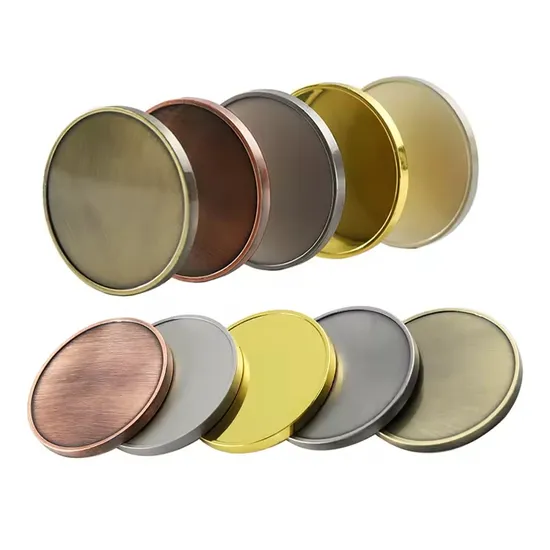
Copper usually has a reddish or orange tone, while brass has a warmer yellow or golden appearance.
Their visual character can also change over time. Both materials can develop surface changes that contribute to the appearance of handmade objects.
For home decor, the choice often depends on the atmosphere you want to create.
Brass can bring a warm, classic, or elegant feeling to a room.
Copper can create a richer, more earthy, and distinctive appearance.
Neither material is simply better than the other. The right choice depends on the design, intended use, finishing technique, and personal preference.
From Raw Metal Sheet to Handmade Artwork
A handmade metal object often starts with a simple piece of raw material.
For sheet metal work, the craftsman first measures and marks the material according to the desired design. The sheet can then be cut into the required shape.
After cutting, the craftsman may bend, hammer, press, or shape the metal.
The next stage depends on the design. Decorative patterns may be added through engraving, carving, punching, or other traditional techniques.
Finally, the piece can be assembled and finished through polishing, coloring, brushing, or other surface treatments.
Each stage can affect the final appearance.
This is why handmade metalwork requires patience and attention to detail.
Traditional Metal Engraving Techniques
One of the most interesting parts of metal craft is the use of decorative techniques.
Traditional metal engraving can involve creating patterns directly on the surface of the metal. Depending on the technique, craftsmen may use chisels, hammers, punches, or other specialized tools.
Two common approaches include hammered or pressed engraving and chisel engraving.
With pressed or hammered techniques, the craftsman creates texture or patterns by applying controlled pressure to the metal.
With chisel engraving, the craftsman carefully removes or shapes small areas of the surface using a sharp tool.
These techniques require practice because small differences in pressure, angle, and depth can change the final pattern.
Why Hand-Engraved Metal Has Artistic Value
Machine-made products can reproduce the same pattern many times. Handmade engraving offers something different.
The craftsman’s hand creates subtle variations in line, depth, texture, and surface.
These variations can make each piece feel individual.
A detailed engraved pattern may also require many hours of work. The value of the finished object therefore comes not only from the metal itself but also from the skill and time invested in creating it.
For collectors and buyers of handmade decor, these details can make a piece more meaningful.
What Makes Handmade Metal Craft Valuable?
The value of a handmade metal artwork is influenced by several factors.
Material
The type, quality, thickness, and amount of metal used can affect the product.
Craftsmanship
Detailed work requires skill and experience. More complex designs may require considerably more time to complete.
Technique
Traditional techniques such as engraving, hammering, shaping, and hand-finishing can add character to a piece.
Design
A well-developed design can make an object attractive while also giving it a strong identity.
Time
Handmade work often takes longer than mass production because each stage receives individual attention.
Uniqueness
Small variations in handmade work can make each piece slightly different from another.
Together, these factors help explain why handmade metal artwork can have a higher value than ordinary mass-produced decoration.
Metal Craft as Functional Art
Metal craft does not always have to be purely decorative.
A handmade metal object can also serve a practical purpose.
A brass lamp, for example, can provide lighting while becoming a decorative focal point in a room. A metal table accessory can be useful while also adding character to the interior.
This combination of beauty and function is one of the strengths of handmade metalwork.
For homeowners, it means a handcrafted piece does not have to simply occupy space. It can become part of everyday life.
Choosing Metal Craft for Your Home
When buying handmade metal decor, consider more than the appearance of the object.
Think about the material, size, finish, and function. Consider how the piece will interact with the furniture and other materials already present in the room.
Wood, stone, glass, ceramic, leather, and fabric can all create different combinations with metal.
For example, warm brass can complement natural wood, while dark iron can work well with industrial or minimalist interiors.
The right metal artwork should feel connected to the space rather than simply filling an empty corner.
Appreciating the Craft Behind the Object
A finished metal artwork may look simple when displayed in a room.
However, the finished piece can represent many stages of work.
There may be measuring, cutting, shaping, engraving, joining, polishing, and finishing behind a single object.
Understanding this process changes the way we see handmade metalwork.
Instead of seeing only the finished product, we can also appreciate the material, technique, time, and human skill behind it.
That is the foundation of appreciating metal craft.
Metal Craft in Modern Interiors
Traditional metalworking continues to have a place in modern interiors.
Today, brass, copper, aluminum, and iron can be found in lighting, sculptures, furniture, wall decor, accessories, and functional home objects.
Craftsmen can also combine traditional techniques with contemporary designs.
The result can be a piece that respects traditional craftsmanship while fitting naturally into a modern home.
This balance between tradition and contemporary design is one of the reasons handmade metal craft remains relevant today.
Foundational Knowledge for Appreciating Metal Craft
Learning the basics of metal craft helps us make better choices as buyers, collectors, and craftsmen.
Understanding the differences between brass, copper, aluminum, and iron allows us to recognize why each material is used for different purposes.
Learning about cutting, shaping, engraving, and finishing also helps us appreciate the amount of work behind a handmade piece.
Most importantly, foundational knowledge helps us see that metal craft is not simply about the material.
It is about what a skilled craftsman can create with that material.
Discover Handmade Metal Craft at Lankriya
At Lankriya, metal becomes a medium for combining craftsmanship, function, and artistic expression.
From handcrafted brass lamps to decorative metal artworks, each piece reflects careful attention to material, shape, detail, and finish.
For collectors, home decor buyers, and anyone who appreciates handmade work, these pieces offer more than decoration. They bring the character of traditional craftsmanship into everyday spaces.
Explore Lankriya’s collection of handcrafted brass and metal artworks and discover pieces made to bring warmth, character, and artistic expression into your home.
Crafted by hand. Inspired by art. Made to belong.