
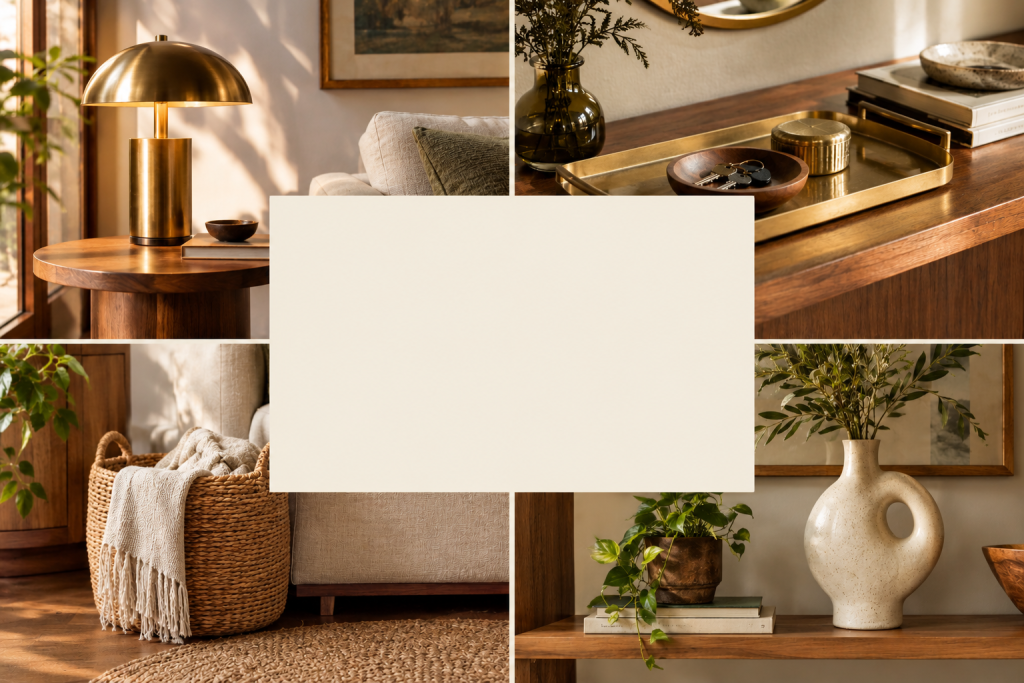
A newly built house often begins as an empty space. The walls, floors, doors, and windows may already be in place, but the rooms still need furniture and other essentials before they feel like home.Choosing the right home furniture is an important step in creating a comfortable living environment that supports daily activities and reflects the people who live there.
When we think about the comfort of our home, we naturally begin to imagine how each room should look and feel. These ideas can take shape through interior design, furniture arrangement, lighting, and the choice of decorative objects. A well-planned room does more than look attractive. It makes everyday life easier and gives us a sense of belonging.
This is why home furniture is more than a practical necessity. It is also a reflection of our personal taste, creativity, and appreciation of art.
A Home Begins With the Things We Choose
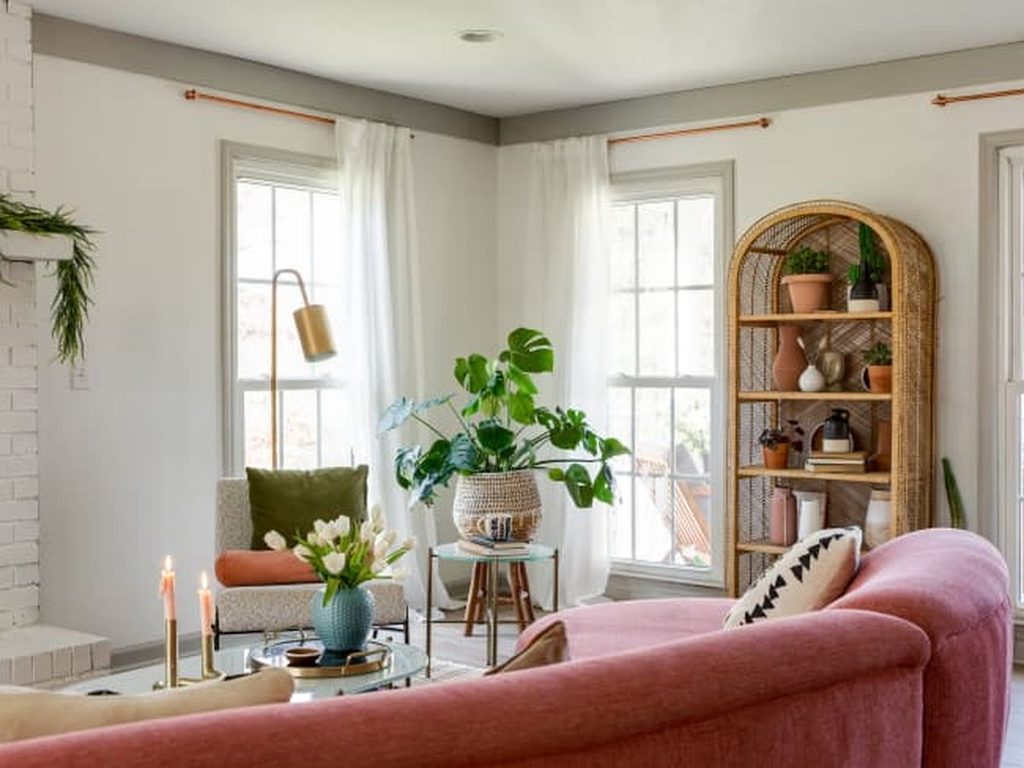
An empty room offers many possibilities. It can become a quiet place to rest, a welcoming living room for guests, a productive workspace, or a gathering place for the family. The furniture we choose helps determine how that space will be used.
A sofa can turn an open area into a comfortable place to relax. A dining table can bring family members together. Shelves can keep belongings organized while providing space for books, plants, and personal collections. Each item has a purpose, and the way these items work together shapes the character of the room.
Rather than filling every empty corner, it is worth thinking about what the room actually needs. A few carefully chosen pieces can make a space feel more balanced than a room crowded with furniture. The goal is not simply to own more things, but to choose items that make life at home more comfortable and meaningful.
Function and Beauty Should Work Together
When choosing furniture, appearance is often the first thing we notice. We may be drawn to a particular color, an unusual shape, or a beautiful material. Yet the most attractive item may not always be the most suitable one for our needs.
A dining chair should be comfortable enough for everyday meals. A desk should provide enough room to work. A bedside table should keep essential items within reach. These practical details matter just as much as the design.
The best choices bring function and beauty together. A well-designed cabinet can provide useful storage while adding character to a room. A decorative lamp can provide light while becoming an attractive feature of the interior.
When furniture serves its purpose and fits naturally into the room, the result feels thoughtful rather than forced.
Interior Design Is About Balance
A room can contain beautiful furniture and still feel uncomfortable if the arrangement does not work. Interior design is not only about selecting individual objects. It is also about how those objects relate to one another.
Size, color, material, spacing, and proportion all influence the final result. A large sofa may dominate a small living room, while a collection of tiny accessories may look lost in a spacious area. The aim is to find a balance that suits the size and purpose of the room.
Color also plays an important role. Natural wood can bring warmth, while neutral shades can create a calm background. Dark metal details may add contrast, and softer fabrics can make a room feel more inviting.
There is no single arrangement that works for every home. Personal preferences, daily habits, and the shape of the space all influence the right design. A comfortable interior is one that feels connected to the people who use it.
Lighting Can Change the Feeling of a Room
Furniture is only one part of a home’s character. Lighting also affects how we experience a space, often more than we realize.
A room with suitable lighting can feel warm and welcoming. A reading corner may need a focused light, while a dining area may benefit from a softer glow. In a bedroom, gentle lighting can help create a more restful atmosphere.
Lamps also contribute to the visual design of a room. Their shapes, materials, and finishes can complement the furniture around them. A handcrafted brass lamp, for example, can introduce a warm metallic tone and become a point of interest even when it is switched off.
When the light is turned on, the experience changes again. Light can highlight textures, reveal details, and cast shadows that add depth to the surrounding space.
For this reason, lighting should not be treated as an afterthought. It deserves the same care as other furniture and decorative choices.
Decorative Objects Give a Home Its Character
Two homes may have similar layouts and furniture, yet feel completely different. Often, the difference comes from the smaller details: a sculpture on a shelf, a handmade lamp beside a sofa, a framed artwork on the wall, or an object collected during a memorable journey.
These pieces give a room a more personal character. They can reflect our interests, memories, and appreciation of particular materials or styles.
Decorative objects do not need to be expensive or numerous to have an impact. What matters is how they fit into the space and what they mean to the people who live there. A single well-chosen piece can sometimes say more than a shelf full of unrelated decorations.
This is where art becomes part of everyday living. Instead of keeping artwork only in galleries or special display areas, we can bring it into the rooms we use every day.
The Beauty of Natural Materials and Handcrafted Details

Materials influence both the appearance and the feeling of furniture. Wood, stone, glass, fabric, brass, copper, and iron each bring different qualities into a home.
Wood can create a sense of warmth and familiarity. Glass may make a room feel lighter and more open. Metal can introduce structure, contrast, and distinctive details. Combining these materials thoughtfully can create an interior that feels layered without becoming cluttered.
Handcrafted objects offer another dimension. The maker’s choice of form, surface, and finish can give an item a character that is difficult to separate from the process behind it. Small variations may reveal the human hand involved in making the piece.
A handmade object can therefore be more than an accessory. It can become a conversation starter, a focal point, or a reminder of the value of skilled work.
A Comfortable Home Reflects the People Who Live in It
There is no universal formula for creating the perfect home. Some people prefer simple rooms with open space and minimal decoration. Others enjoy rich textures, collections, and objects with strong artistic detail.
Both approaches can work when the space supports the needs of its occupants.
A home should make room for everyday life. It should be easy to move around, practical to maintain, and comfortable to use. At the same time, it should allow people to express themselves through their furniture, colors, artwork, and personal belongings.
The most successful interiors are not necessarily the ones that follow every trend. They are the ones that continue to feel right for the people who live in them.
Choose Furniture With a Purpose
Before bringing a new item into your home, consider how it will be used and where it will be placed. Think about its size, material, maintenance needs, and relationship with the furniture you already own.
Ask yourself whether the item solves a practical need, adds visual interest, or brings personal meaning to the space. Ideally, it should do at least one of these things well without making the room harder to use.
It is also worth leaving some open space. An uncluttered room allows each piece to stand out and makes everyday activities easier. Thoughtful furniture selection is not about filling every available area. It is about creating a setting in which people and objects can exist comfortably together.
Furniture as an Expression of Art
Art does not always need to hang on a wall or stand on a pedestal. It can appear in the curve of a chair, the pattern of a cabinet door, the texture of a metal sculpture, or the shape of a carefully designed lamp.
When we pay attention to these details, furnishing a home becomes a creative process. We begin to consider not only what an object does, but also how it makes us feel and what it contributes to the room.
This way of thinking encourages us to choose fewer, more meaningful pieces. It also helps us appreciate the thought, material, and craftsmanship behind the things we bring into our homes.
In the end, our home becomes a reflection of the choices we make and the beauty we choose to live with.
Discover Lankriya
At Lankriya, handcrafted brass and metal artworks bring together practical function and artistic expression. From distinctive lamps to decorative metal pieces, each design can add a different character to a living space.
If you are looking for a way to make your interior feel more personal, consider choosing an object that offers more than decoration. A thoughtfully crafted piece can bring warmth, visual interest, and a sense of individuality to your home.
Visit Lankriya to explore handcrafted brass and metal artworks and find a piece that complements your space and personal style.
Crafted by hand. Inspired by art. Made to belong.